Source Customized Plants Shape Gemstone Beads for Jewelry
Find 30 listings for customized plants shape gemstone beads suitable for unisex jewelry, decorative accents, and creative designs. Compare options from Wuzhou and Guangdong suppliers offering various sizes, cuts, and materials including glass and natural crystal; compare the available evidence and request quotations based on your requirements.
Key considerations
Products List








Comprehensive Sourcing Guide
Customized Plants Shape Gemstone Beads Sourcing Guide
Procuring customized gemstone beads with plant-inspired shapes requires a strategic approach to aligning aesthetic desires with manufacturing capabilities. Buyers must first recognize that while standard geometric cuts like round or oval are common, organic forms such as trapezoid or pear shapes often demand specific surface treatments to achieve the desired natural look. The observed market data indicates that suppliers in Wuzhou, China, frequently offer these specialized cuts, yet the availability of true plant shapes may vary based on the specific material and customization requests.
Sourcing decisions should prioritize suppliers who explicitly state their ability to handle custom requests, as this capability is a critical differentiator in the market. The provided facts confirm that customization is available for various gemstone types, including synthetic and natural crystals, but the final shape is often dictated by the cutting process rather than a pre-existing mold. Buyers should verify if the supplier can translate a specific botanical design into a trapezoid or pear cut, ensuring the surface treatment, such as polishing or specific cutting techniques, matches the intended visual outcome.
Product Scope and Observed Listing Signals
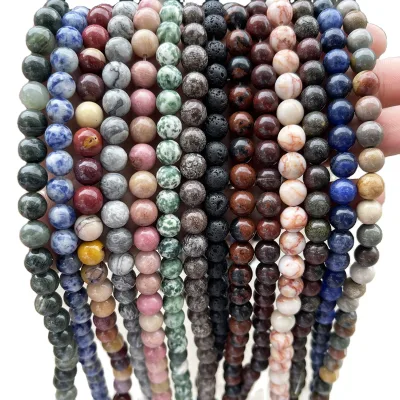
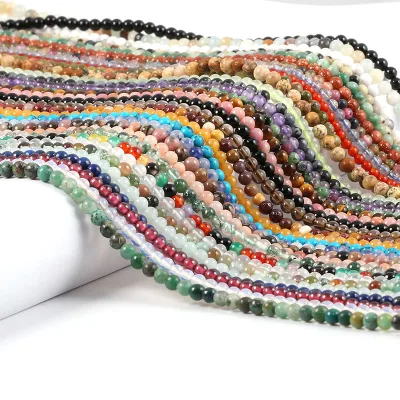
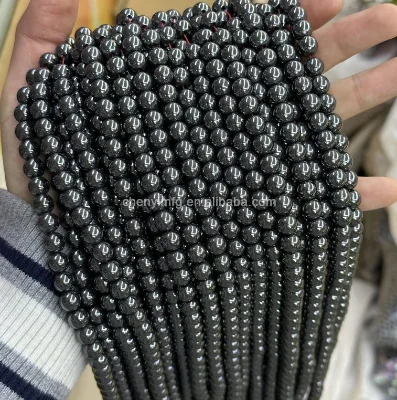
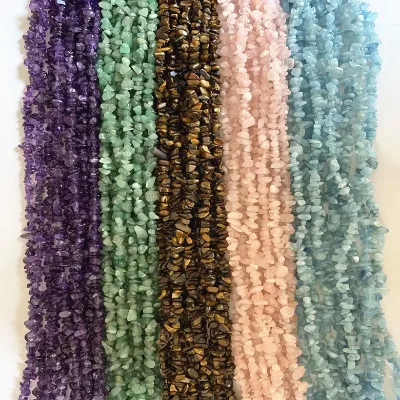
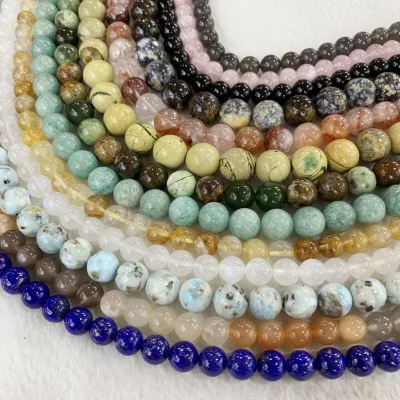
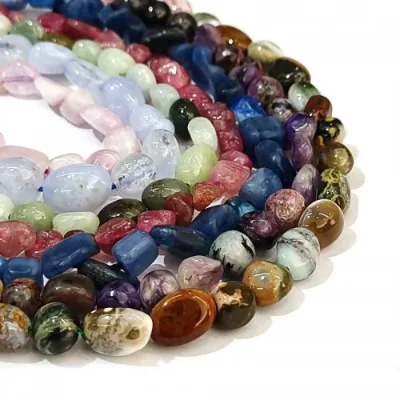
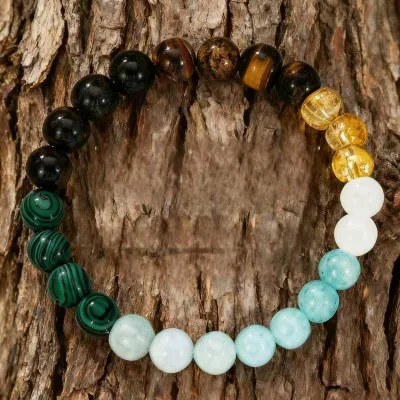
The current market landscape for these beads reveals a diverse range of materials, from glass stones to natural crystals and synthetic lab-created gems. Listings frequently highlight specific gemstone colors like emerald, red, black, and yellow, alongside versatile options such as blue, green, and red assortments. This variety suggests that buyers can source beads for unisex applications, ranging from simple decoration to intricate jewelry making, provided the supplier can accommodate the requested color and material specifications.
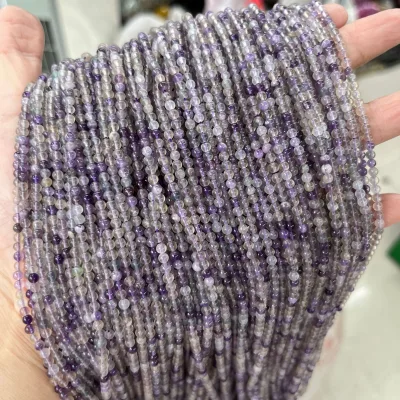
Observations of product listings indicate that size ranges are highly flexible, with some suppliers offering sizes from 1mm to 20mm and others stating they can provide "all sizes for what you want." This flexibility is crucial for projects requiring specific dimensions, such as the 5-8mm range often seen in beadwork. However, buyers must carefully distinguish between standard offerings and custom capabilities, as the "chips necklace" style and specific model numbers like ESB-CS023 suggest that some items are pre-defined while others are fully bespoke.
Technical Specifications to Verify
When evaluating technical specifications, the distinction between the gemstone material and the final product type is paramount. Buyers must confirm whether the beads are made from glass stone, natural crystal, or synthetic materials, as this directly impacts durability and aesthetic value. The observed data shows a mix of classifications, including zircon and high-grade stones, which means the buyer must explicitly verify the material composition to ensure it meets the project's quality standards and intended use.
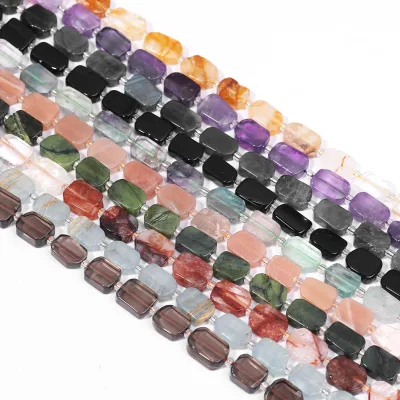
Surface treatment and shape consistency are equally critical verification points for achieving a professional finish. The market data highlights processes like trapezoid cutting and polishing, which are essential for creating the desired texture and light reflection. Buyers should request samples to verify that the shape, whether round, oval, or pear, is consistent across the batch and that the surface treatment aligns with the visual requirements of the final design, ensuring the beads are suitable for the intended jewelry or decorative application.
Compliance and Safety Documentation
Compliance documentation is a vital component of the procurement process, particularly when sourcing products for international markets. The observed listings mention third-party appraisal certificates and CE standards, which serve as indicators of quality assurance and regulatory adherence. Buyers should verify that the supplier can provide these specific documents for each batch, ensuring that the products meet the safety and quality requirements of the destination market without relying on generic claims.
Beyond standard certifications, buyers must ensure that the packaging and labeling comply with local regulations regarding product origin and material composition. The data indicates that packing can be customized according to customer requests, which offers an opportunity to include necessary compliance labels and origin information directly on the packaging. This proactive approach helps prevent customs delays and ensures that the final product is ready for retail or distribution, maintaining the integrity of the supply chain from the factory in Wuzhou or Guangdong to the end consumer.
Cost Drivers and Commercial Terms
Cost drivers in this sector are heavily influenced by the level of customization and the specific material chosen. While standard glass beads may be more affordable, natural crystals and high-grade synthetic stones often command higher prices due to the complexity of sourcing and processing. The observed minimum order quantities (MOQ) range from 50 pieces to 1000, suggesting that smaller orders may incur higher per-unit costs, while larger volumes can significantly reduce the price per bead, making volume planning a key financial consideration.
Commercial terms regarding packaging and shipping also play a significant role in the total cost of ownership. Suppliers often offer flexible packing solutions, such as custom requests or standard units like 5x5x5 cm single packages, which can affect shipping efficiency and costs. Buyers should negotiate clear terms for these variables, ensuring that the packaging protects the beads during transit while minimizing volumetric weight charges, thereby optimizing the overall budget for the procurement project.
Supplier Qualification and Quality Control
Supplier qualification should focus on verifying their production capabilities and quality control processes, particularly for customized orders. The presence of brands like Stars Gem and jewelrytopia in the market suggests that established manufacturers exist, but buyers must confirm their ability to maintain consistent quality across different shapes and colors. The observed "AA" quality rating and high-grade classifications indicate a baseline standard, yet buyers should request detailed quality reports to ensure these standards are met for every specific order.
Quality control measures must extend beyond the initial inspection to include checks on surface treatment and shape accuracy. Since the market offers various cuts like trapezoid and polished finishes, buyers should implement a sampling protocol to verify that the beads meet the specified dimensions and aesthetic requirements. This rigorous approach ensures that the final product aligns with the design intent, minimizing the risk of defects and ensuring that the beads are suitable for the intended jewelry or decorative applications.
Long-Term Procurement Checks
Establishing a long-term procurement strategy requires regular audits of supplier performance and product consistency. Buyers should monitor the supplier's ability to maintain the specified quality levels, such as the "AA" rating and high-grade materials, over multiple production cycles. This ongoing evaluation helps identify any drift in quality or changes in material sourcing that could impact the final product, ensuring that the supply chain remains reliable and consistent for future projects.
Continuous communication regarding market trends and material availability is essential for adapting to changing demands. As the market for customized gemstone beads evolves, buyers should stay informed about new shapes, colors, and materials that may become available. By maintaining a proactive relationship with suppliers, buyers can leverage their expertise to source innovative designs and materials, ensuring that their product offerings remain competitive and aligned with current consumer preferences in the jewelry and decoration sectors.
FAQs
Can I request custom packaging for these gemstone beads?
Yes, custom packaging is available according to your specific request. The supplier explicitly states they can make packing based on customer requirements. This flexibility allows you to tailor the presentation to your brand needs without extra constraints on the standard product.
What is the minimum order quantity for these beads?
The minimum order quantity is 50 pieces for this product line. This low threshold allows buyers to test the market with a small batch. It applies to the glass stone beads with trapezoid cuts and various colors like green, red, and black found in the listing.
Which certifications do these gemstone beads hold?
These beads carry CE certification and a third-party appraisal certificate. The CE mark indicates compliance with safety standards for the European market. The third-party appraisal provides an independent verification of the product quality and material composition for your sourcing records.
How are the gemstone beads shaped and treated?
The beads feature trapezoid cuts and polished surfaces for a refined finish. They are available in shapes like round, oval, and pear depending on the specific item. The surface treatment ensures a smooth texture suitable for jewelry making and decorative applications.
What materials are used to make these beads?
The beads are made from glass stone and natural crystal materials. Some listings specify synthetic lab-created gemstones classified as zircon. These materials offer a high-grade appearance while maintaining affordability for various jewelry and decoration projects.
Where are these gemstone beads manufactured?
The products originate from Wuzhou, China, and some from Guangdong, China. These regions are known for their expertise in producing glass and crystal gemstone beads. The location ensures access to established supply chains for customized stone products.
What sizes are available for these loose beads?
Sizes range from 1 to 20 millimeters, with specific options like 5 to 8 millimeters. Some listings offer all sizes according to your specific requirements. This wide range allows you to select the perfect dimensions for your custom jewelry designs.